
Simple Ways to Avoid Peeling, Chipping, and Uneven Results
The most common mistakes when painting floors are poor prep work, using the wrong paint, skipping primer, and rushing dry time. These errors lead to peeling, bubbles, stains, and short paint life. Good floor painting starts before you even open the paint can. When you clean, repair, and plan the job the right way, your floor will last for years instead of months.
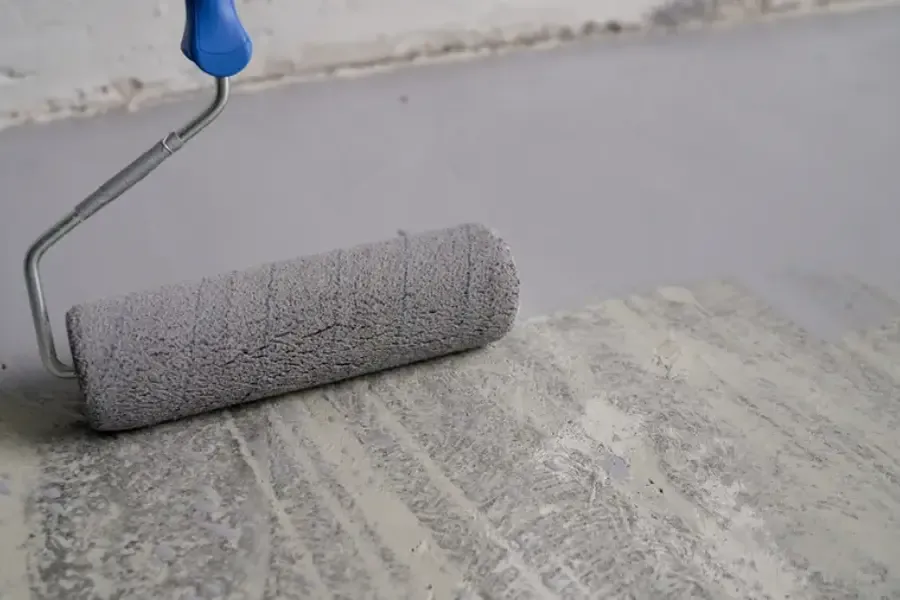
Why Prevention Matters
Floors take more abuse than walls. People walk on them every day. Furniture slides across them. Spills soak into them. If floor painting is done wrong, the damage shows fast. Once paint starts peeling, it spreads. Fixing it often means sanding everything down and starting over. That costs more time and money than doing it right the first time.
Preventing mistakes keeps the surface smooth, strong, and safe to walk on.
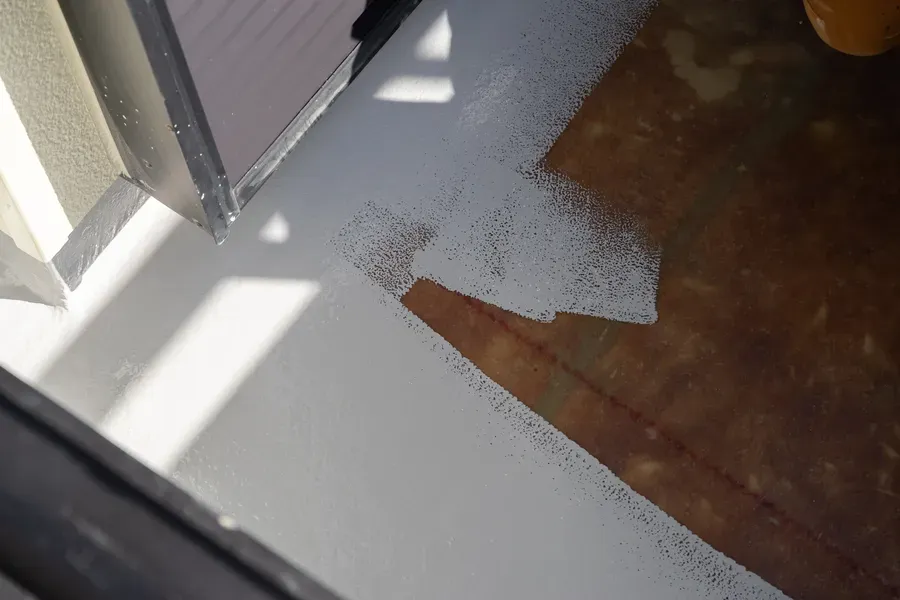
Early Warning Signs of Problems
Sometimes you can spot trouble before the paint fully fails. Look for these signs:
- Paint scratching off with light pressure
- Bubbles or blisters forming
- Sticky spots days after painting
- Uneven shine or dull patches
- Peeling near doorways or high traffic areas
If you see any of these, the issue often goes back to prep work or product choice.
Seasonal or Routine Checklist Before You Start
Before starting any floor painting project, go through a simple checklist. Weather and humidity matter more than most people think.
- Check the room temperature. Most paints need steady, mild conditions.
- Test humidity levels. Too much moisture can trap water under paint.
- Clean the floor with a degreaser, not just soap and water.
- Repair cracks, chips, or nail holes.
- Lightly sand glossy surfaces so the paint can grip.
- Apply the correct primer for wood or concrete.
Skipping even one step can cause peeling later.
Best Practices for Long-Term Results
Use paint made for floors. Wall paint is not built for foot traffic. Concrete floors need a product that bonds to masonry. Wood floors need flexible coatings that move with the boards.
Apply thin, even coats. Thick layers dry slowly and may stay soft underneath. Two or three thin coats are stronger than one heavy coat.
Let each layer dry fully before adding the next. Dry to the touch is not the same as fully cured. Walking on paint too soon can leave marks that never go away.
Give the floor enough cure time before moving furniture back. Use felt pads under table and chair legs to protect the finish. Small habits help painted surfaces last longer.
What Not to Do
Many problems come from rushing. Avoid these common mistakes:
- Do not paint over dirt, dust, or wax.
- Do not skip sanding on shiny finishes.
- Do not ignore moisture in concrete slabs.
- Do not paint in very cold or very humid conditions.
- Do not use leftover interior wall paint.
- Do not push furniture back too soon.
Another mistake is poor ventilation. Paint needs airflow to dry properly. Closed rooms slow down the curing process and can lead to uneven results.
When to Schedule Professional Help
Some floors are harder to paint than others. Large warehouse spaces, garage floors with oil stains, and older wood floors with layers of old coatings can be tricky. If your concrete is cracking or flaking, it may need grinding or resurfacing before paint will stick.
If past floor painting attempts failed, it is smart to have the surface tested and inspected. A professional can check moisture levels, surface hardness, and coating compatibility. This saves you from repeating the same mistake.
Get Reliable Results for Your Floors
If you are planning floor painting in Leominster, MA, I can help you avoid the common problems that ruin good work. At MAS Flooring Inc, I handle prep, priming, and coating with care so your floors hold up to daily use. If you would like advice or want to schedule a service, call me at (978) 678-7196 and I will be glad to help.