
Clear Warning Signs Your Hardwood Needs Attention
If your hardwood floors look dull, scratched, faded, or feel rough under your feet, it may be time for floor sanding and refinishing. Deep scratches, gray wood tones, and finish that is peeling are common signs the protective layer is gone. Acting early can help save the wood and avoid full replacement.
Why Prevention Matters
Hardwood floors are tough, but they are not indestructible. Over time, foot traffic, pets, furniture, and dirt wear down the finish. Once the clear coat breaks down, bare wood is exposed. That is when stains, moisture, and damage set in.
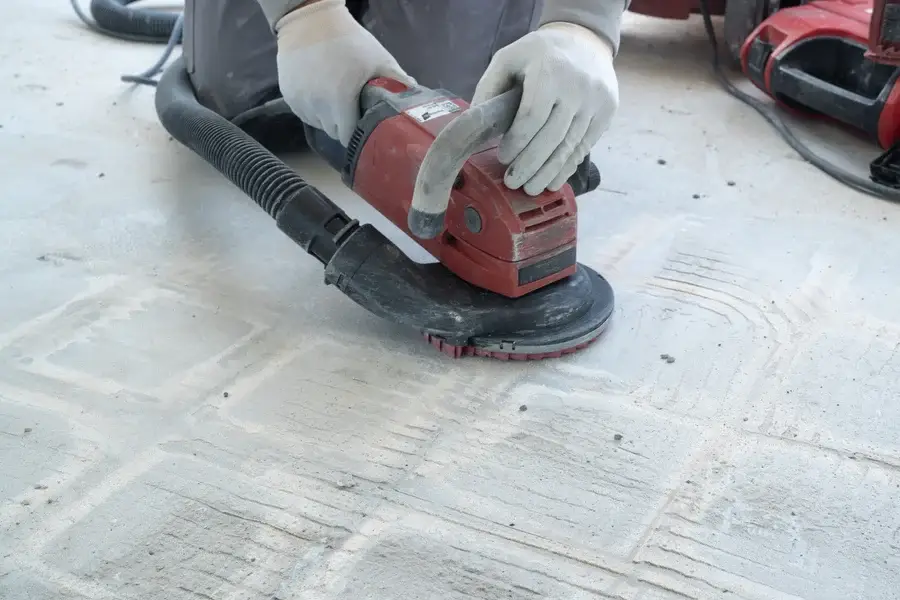
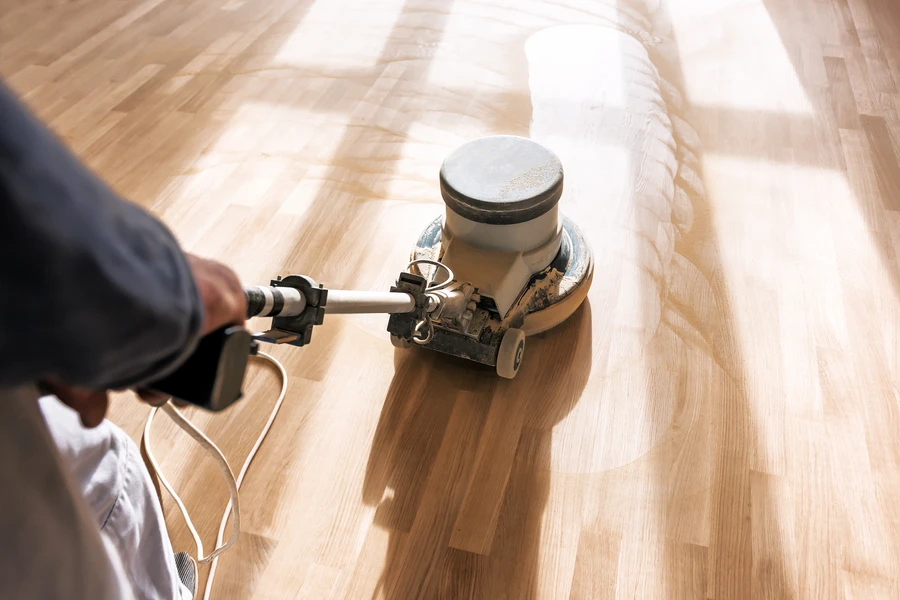
Floor sanding removes the worn top layer and smooths out damage. Refinishing adds strong protection back to the surface. When done at the right time, this process can add many more years to your floors.
Early Warning Signs to Watch For
Many homeowners wait too long because they think their floors just look old. Here are signs that tell you the issue is more than age:
- Deep scratches that catch your sock or fingernail
- Gray or black areas where the finish has worn away
- Dull spots in high traffic paths
- Water soaking into the wood instead of beading up
- Splinters or rough patches
- Boards starting to cup or slightly warp
A simple test can help. Pour a few drops of water on the floor. If the water beads up, the finish is still working. If it soaks in within a few minutes, the protective layer is likely gone.
Seasonal and Routine Checklist
Floors change with the seasons. Dry winter air can cause shrinking and small gaps. Humid summers can cause swelling. Regular checks help you spot problems before they grow.
- Inspect high traffic areas every few months.
- Check near sinks and doors for water damage.
- Look under rugs for trapped moisture.
- Move furniture once a year to check hidden spots.
- Clean with the right hardwood-safe products.
Routine care slows down wear, but it does not stop it forever. Even well-kept floors may need floor sanding every 7 to 10 years, depending on traffic.
Best Practices for Long-Term Results
Small habits make a big difference. Use felt pads under furniture legs. Keep pet nails trimmed. Place mats at entry doors to catch grit. Sweep or vacuum often to remove dirt that can scratch the surface.
Avoid using steam mops. Too much moisture can seep into seams and cause swelling. Also skip harsh cleaners that leave residue. They can dull the finish faster.
If your floor has only light surface scratches, a screen and recoat may help. This process adds a new topcoat without full sanding. But if scratches reach the wood, full floor sanding is often the better fix.
What Not to Do
Do not ignore fading or worn paths. Waiting too long can lead to stains that sink deep into the wood. At that point, even sanding may not fully remove dark spots.
Do not try heavy sanding with rental machines if you are unsure how to use them. Uneven sanding can leave waves or gouges in the wood. Fixing those mistakes can cost more than hiring a pro from the start.
When to Schedule Professional Help
If you see large worn areas, deep pet damage, or water stains, it is time for expert help. A flooring professional can measure how much thickness is left in your hardwood. Not all floors can be sanded many times, especially engineered wood.
A pro will also check for loose boards, hidden moisture issues, and subfloor problems before refinishing. This step helps prevent future damage after the new finish is applied.
Get Expert Guidance for Your Floors
If you are in Leominster, MA and your hardwood floors are showing these warning signs, I can help you decide if floor sanding is the right next step. At MAS Flooring Inc, I take the time to inspect your floors and explain your options clearly. Call me at (978) 678-7196 to schedule a visit and let me help protect your investment with the care your home deserves.